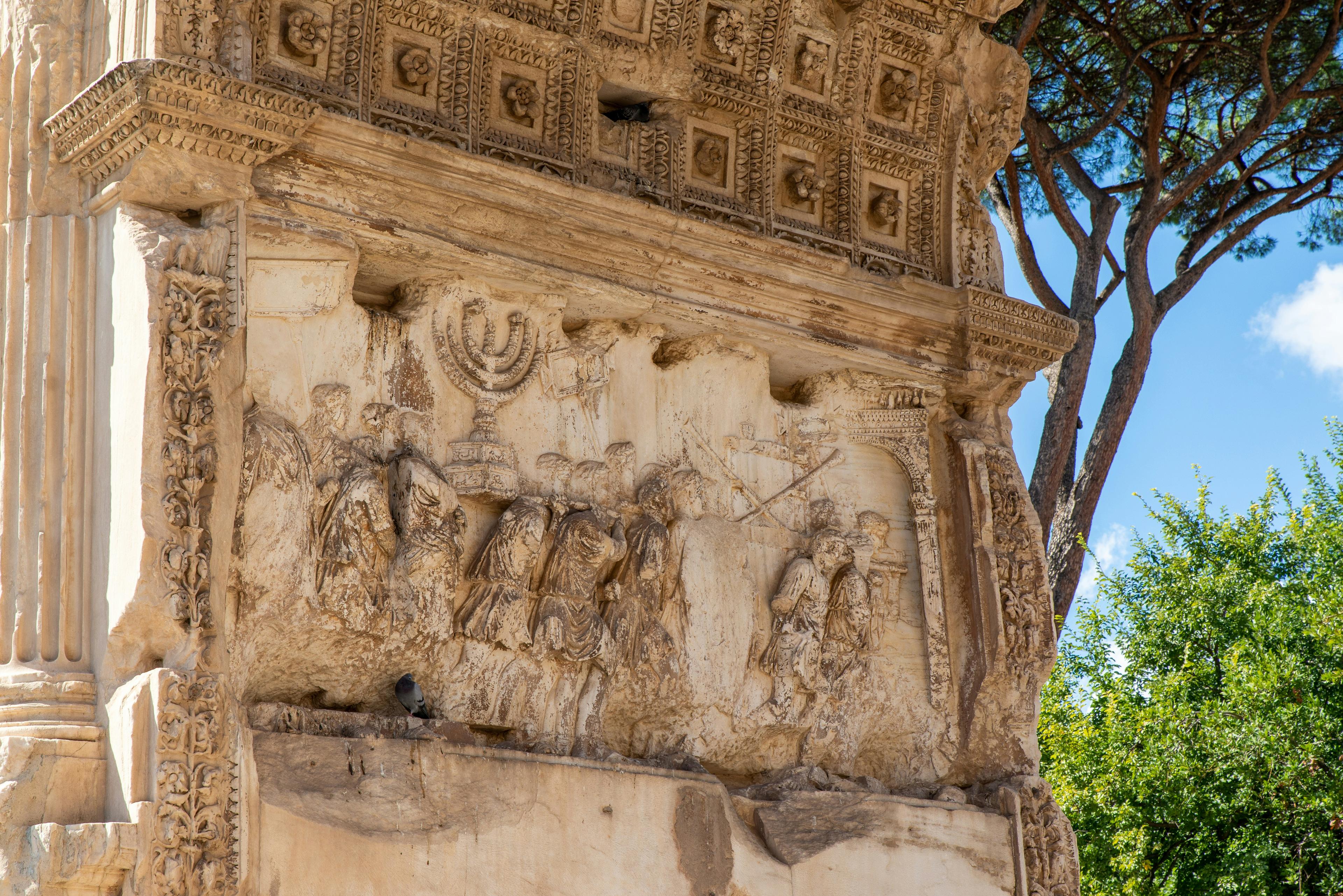
Early Christianity: Origins to Post-Nicene
Examine the communities, movements, texts, institutions, and debates that shaped Christianity from the first century through the post-Nicene period.
Explore Early Christianity →
Academics
Master the linguistic, historical, and textual foundations of biblical scholarship and early Christianity through four specialized certificate tracks.

Four Seminary-Level Programs · 20–36 Courses Each · Accelerated Options in Select Programs
Compare subject focus, academic level, program length, research expectations, and final requirements to find the program that best matches your goals.
Berean Institutes offers an alternative academic pathway for students whose primary goal is the scholarly study and interpretation of Scripture. Rather than combining biblical scholarship with the broader requirements of professional ministry preparation, each program concentrates on a single academic discipline. Every required course directly advances the student’s ability to understand, interpret, analyze, or explain the biblical text—or develops an essential supporting competency for biblical scholarship.
Examine the communities, movements, texts, institutions, and debates that shaped Christianity from the first century through the post-Nicene period.
Explore Early Christianity →
Pursue advanced biblical research through source evaluation, original research, scholarly writing, and a substantial capstone project designed to support publication.
Explore Advanced Biblical Research →
Develop advanced skill in interpreting biblical texts through close reading, original-language study, genre, historical setting, literary context, and careful evaluation of competing arguments.
Explore Biblical Exegesis →
Investigate the origins, movements, source traditions, identity claims, and historical development of Black Hebrew Israelite communities—a first-of-its-kind certificate program using academic, source-critical methods rather than religious instruction.
Explore Black Hebrew Israelite History →No. Berean Institutes has no confessional standard, statement of faith, or pre-approved conclusions. Work is assessed by how carefully students handle evidence, use primary sources, represent competing interpretations, and construct a clear, logical argument from the biblical text and historical record.
Writing is central to every program. Most assignments involve essays, textual analysis, historical interpretation, source evaluation, and evidence-based argument. Grading also considers clarity, spelling, grammar, punctuation, and proper citation. Tutoring assistance is available for students who need additional writing support.
Biblical Exegesis & Interpretation focuses on the close interpretation of biblical texts through language, genre, literary context, historical setting, and competing readings.
Advanced Biblical Research focuses on research methodology, source evaluation, scholarly writing, and the development of substantial original research intended to support publication.
Yes. The published description, reading selections and assessment structure for each course in all four programs are public, along with each program’s course sequence. Course offerings, available cohorts and any specialization-specific readings are identified separately.
No. Berean Institutes offers advanced, non-degree certificate programs. They are designed to develop serious competence in biblical studies, history, exegesis, languages, historiography, and research rather than confer an academic degree.
No. Berean Institutes is an independent, unaccredited institution offering non-degree certificate programs. Its certificates are institutional credentials and should not be represented as accredited degrees or transferable academic qualifications.
An accredited program has been reviewed by a recognized accrediting body; an unaccredited program has not. Accreditation matters when you need a recognized credential. It does not measure what a program teaches or how demanding it is. Berean Institutes covers many of the same academic fields as a seminary, with greater emphasis on biblical, historical, linguistic, philosophical, and research-based study, and less on practical ministry training.
Biblical Exegesis & Interpretation develops advanced skill in reading and interpreting biblical texts through language, context, genre, and close analysis.
Advanced Biblical Research develops the methods needed to evaluate sources, construct scholarly arguments, conduct original research, and complete a substantial publication-oriented project.
Students seeking the strongest preparation in both interpretation and research should consider the two programs as a sequence.
The amount of language study depends on the program. Biblical Exegesis & Interpretation and Advanced Biblical Research include substantial work with biblical languages. Other programs may use ancient-language terms or translated primary sources without making language study their central focus.
Students with prior formal or independent language study may complete a placement assessment so they can begin at the level appropriate to their demonstrated ability.
Courses are organized into separate instructional blocks. Students may request limited extensions or move from cohort-based study to self-paced study when work, family, health, or other responsibilities affect their schedule.
Extensions, withdrawals, and cohort re-entry are governed by our Academic Policies to ensure fairness and maintain cohort momentum.
Yes. Students may move into self-paced study when they can no longer maintain the cohort schedule.
Re-entry into a live cohort occurs at the beginning of an appropriate course or module cycle after required work has been completed. Students do not enter an active cohort mid-module.
Berean Institutes does not award or accept transferable academic credit. Relevant seminary, graduate, or advanced theological coursework may be evaluated for placement.
Students may enter later in a sequence when previous coursework or independent study demonstrates that they have already met the relevant requirements.
Request detailed program information or speak with a member of our Academic Support Team for help comparing programs and choosing the pathway that best fits your goals.